
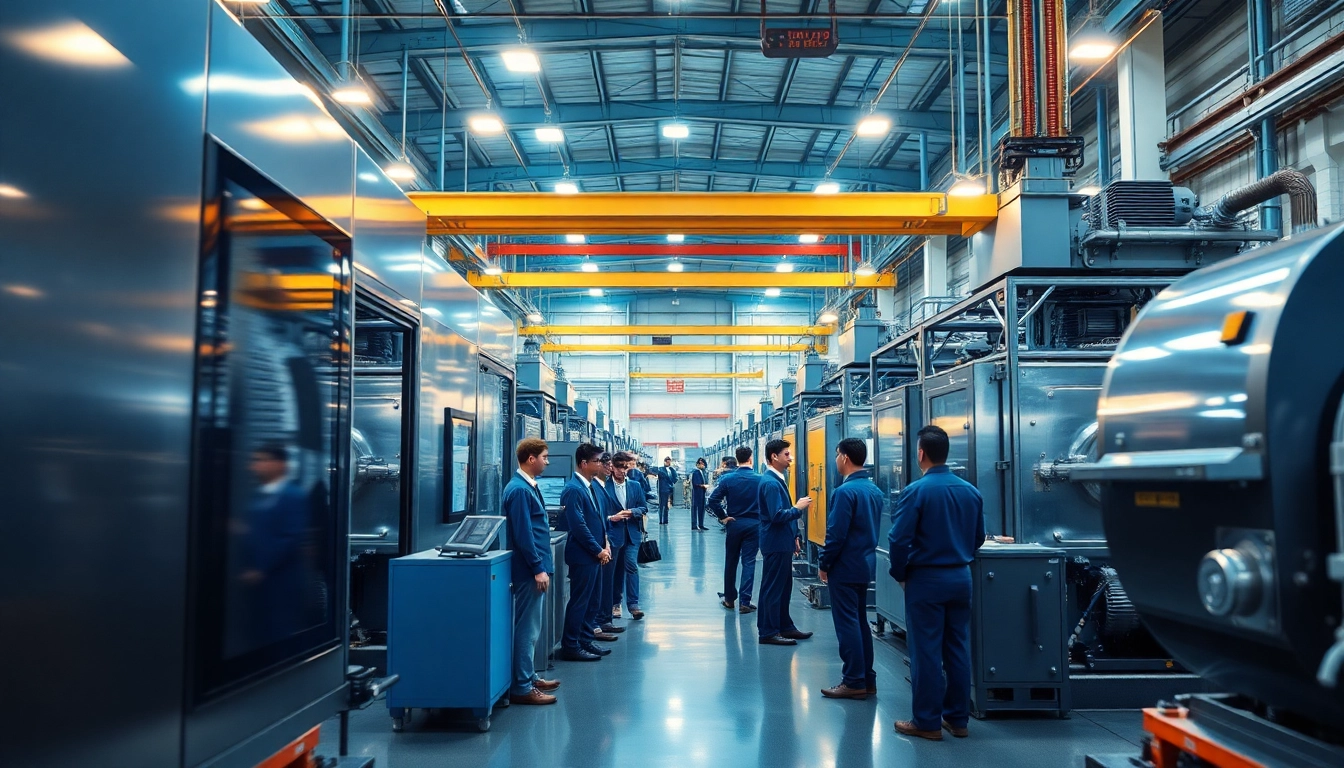
Understanding Diecasting: An Overview
Diecasting stands as a pivotal method in manufacturing, known for its precision and efficiency, especially in producing complex shapes and high-quality metal parts. As a leading diecaster malaysia, Senadie Casting exemplifies the best practices in this industry. This article delves into the various facets of diecasting, emphasizing its benefits, challenges, and innovations that shape the future of manufacturing.
What is Diecasting?
Diecasting is a metal casting process characterized by forcing molten metal under high pressure into a mold cavity. The process is primarily used for producing non-ferrous metals, such as aluminum and zinc, and is ideal for mass production. The operational efficiency of diecasting allows manufacturers to create intricate designs and detailed components that are often used in automotive, aerospace, and electronic applications.
The Benefits of Diecasting in Manufacturing
The advantages of diecasting are numerous and play a critical role in its widespread adoption:
- High Precision: Diecasting delivers exceptional dimensional accuracy, which reduces the need for post-production machining.
- Cost Efficiency: Although the initial costs may be higher, the long-term savings on labor and material waste make it a cost-effective choice for high-volume production.
- Complex Geometries: The technique allows for the creation of complex shapes that would be difficult or impossible to achieve with other methods.
- Surface Finish: The resulting surfaces are typically smooth and require less finishing work.
Key Materials Used in Diecasting Processes
Common materials in diecasting include:
- Aluminum: Known for its lightweight and corrosion resistance, aluminum diecastings are popular in the automotive industry.
- Zinc: This metal is favored for its strength and ability to withstand high temperatures, making it ideal for electrical and electronic components.
- Magnesium: Lightweight and strong, magnesium is increasingly used in aerospace applications.
The Diecasting Process Explained
Understanding the diecasting process is essential for manufacturers looking to optimize production. The steps involved are crucial, from mold preparation to final inspection, ensuring that every product meets quality standards.
Step-by-Step Diecasting Techniques
The diecasting process generally follows these steps:
- Mold Preparation: The mold, usually made from steel or iron, is prepared to ensure efficient casting.
- Injection of Molten Metal: Molten metal is injected into the mold under high pressure.
- Cooling: Once the metal fills the mold, it is allowed to cool and solidify, forming the desired shape.
- Mold Release: The mold is opened, and the casting is removed.
- Finishing: The casting may undergo additional processing, including machining or surface treatment.
Common Challenges Faced by Diecasters
While diecasting offers numerous benefits, it also presents challenges that manufacturers must navigate:
- Porosity: Air pockets can form in the casting, compromising strength and appearance.
- Mold Wear: High-pressure injection can lead to rapid wear and tear on molds, increasing maintenance costs.
- Temperature Control: Maintaining the correct temperature is vital; too hot or too cold can lead to defects.
Best Practices for Effective Diecasting
Implementing best practices is essential for achieving optimal results in diecasting:
- Regular Maintenance: Keeping molds in good condition can prevent defects caused by wear.
- Quality Materials: Using high-quality alloys ensures better casting quality.
- Employee Training: Skilled operators can significantly enhance the efficiency and quality of the casting process.
Diecaster Malaysia: Market Insights and Trends
The diecasting industry in Malaysia is experiencing robust growth, driven by increasing demand across various sectors, particularly automotive and electronics. As businesses seek reliable partners, understanding the market dynamics is crucial.
Industry Growth and Future Predictions for 2025
The diecasting sector in Malaysia is poised for substantial growth, forecasted to expand at a compound annual growth rate (CAGR) of over 7% through 2025. This growth is attributed to the rising automotive production and the increasing adoption of diecast components in consumer electronics.
Key Players in the Malaysian Diecasting Sector
Prominent companies in the Malaysian diecasting landscape include:
- Senadie Casting: Renowned for its quality and precision in diecasting.
- SPM Diecasting: A leader in the production of automotive components.
- JH Diecasting: Specializes in custom diecasting solutions for various industries.
Comparative Analysis of Diecasting Techniques in Malaysia and Beyond
When comparing diecasting techniques, Malaysia exhibits unique advantages in terms of cost efficiency and rapid production times, particularly when aligned with modern automation technologies. In contrast, regions such as Europe focus on sustainability and advanced materials, which can influence their casting processes.
Innovations in Diecasting Technology
The diecasting industry is continuously evolving, with innovations driving improvements in efficiency and sustainability. Staying abreast of these developments is critical for manufacturers seeking competitive advantages.
Emerging Technologies Reshaping Diecasting
New technologies such as 3D printing and advanced robotics are transforming traditional diecasting methods. These innovations facilitate rapid prototyping and customization, enabling manufacturers to meet specific client requirements more effectively.
Case Studies of Successful Diecasting Innovations
Companies that embrace innovation have seen significant benefits. For instance, a leading automotive manufacturer in Malaysia integrated automated diecasting cells, resulting in a 30% increase in production efficiency while reducing waste by 15%.
Integrating Sustainability into Diecasting Processes
Sustainability is becoming increasingly important in diecasting. Companies are exploring the use of recycled materials and energy-efficient processes to reduce their environmental footprint. Implementing these strategies can not only enhance corporate responsibility but also appeal to eco-conscious consumers.
Choosing the Right Diecaster: A Practical Guide
Selecting the appropriate diecaster is crucial for achieving desired manufacturing outcomes. Here are essential factors to consider during the selection process.
Factors to Consider When Selecting a Diecaster in Malaysia
- Experience and Expertise: Look for a diecaster with a proven track record in your specific industry.
- Quality Certifications: Ensure the manufacturer adheres to international quality standards.
- Technological Capabilities: Assess their use of modern technology and machinery for diecasting.
Building Long-term Relationships with Diecasting Manufacturers
Developing a long-term partnership with a diecasting manufacturer can lead to improved collaboration and innovation. Regular communication and feedback can foster a productive relationship that benefits both parties.
Measuring Success: Performance Metrics for Diecasting Projects
Evaluating the success of diecasting projects can be done through various metrics, including:
- Defect Rates: Monitoring defects can highlight areas for improvement.
- Production Efficiency: Assessing cycle times can help gauge operational efficiency.
- Customer Satisfaction: Feedback from clients can provide insights into the service quality and product performance.