Pur or Brita Review: Which Water Filter Is Worth Buying Today?
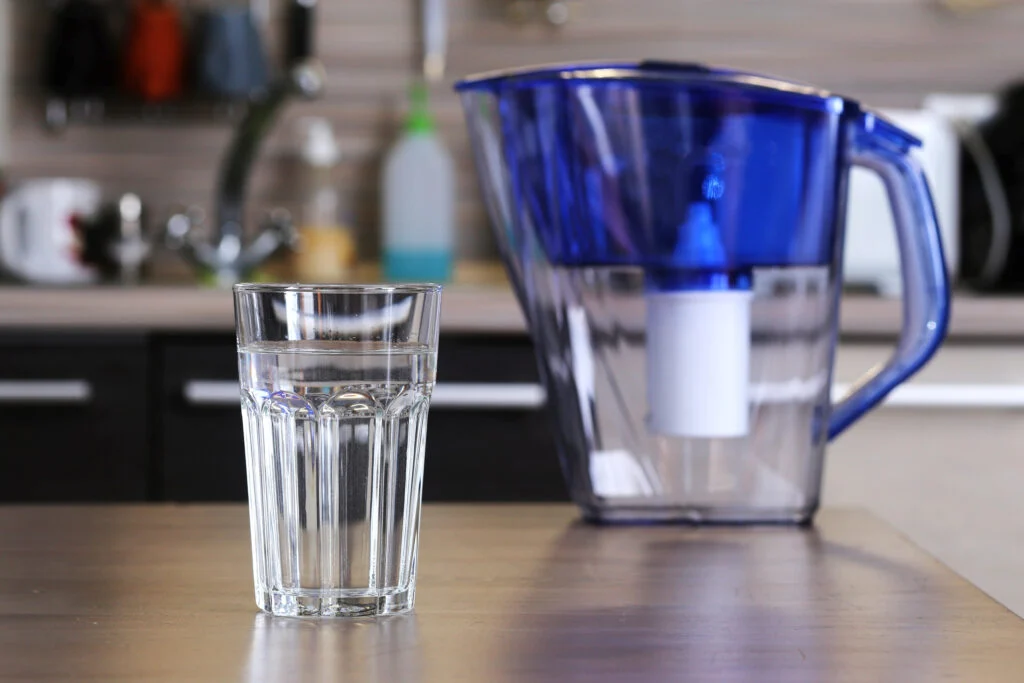
Clean drinking water is not just a luxury. It is a basic need for every home. Many families worry about what is really in their tap water, from chlorine and dirt to heavy metals and strange tastes. This is where water filters come in. Two of the most popular brands in the world are Pur and Brita. People often ask the same big question again and again: pur or brita? Which one is actually worth buying today?
Understanding the Pur or Brita Debate
The question of pur or brita has been around for many years. Both brands promise cleaner, better-tasting water, and both have millions of users around the world. The problem is that their products look similar on the outside, but the way they filter water on the inside can be very different.
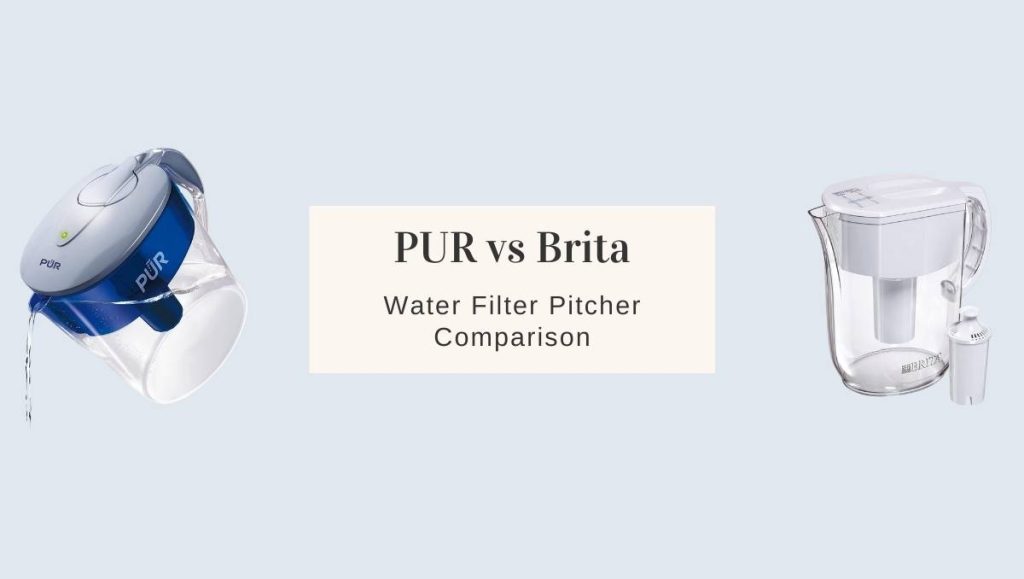
Pur is best known for its powerful faucet filters that attach directly to your tap. Brita is famous for its easy-to-use pitchers and water bottles with built-in filters. When people compare pur or brita, they are really deciding between two different filtration styles and two different approaches to clean water.
This choice matters because the wrong filter can waste your money, fail to remove harmful substances, and still leave your water tasting bad. The right filter, on the other hand, can make your water safe, fresh, and enjoyable to drink every day.
How Water Filters Actually Work
Before deciding on pur or brita, it helps to understand how water filters work in simple terms. Most household water filters use activated carbon. This is a special type of carbon with tiny holes that trap harmful particles as water passes through.
Some filters also use ion exchange materials. These help remove heavy metals like lead and copper. The quality of a filter depends on how strong its materials are and how well they are designed.
When water flows through the filter:
- Dirt and sand get trapped.
- Chemicals like chlorine stay inside the filter.
- Bad smells and tastes are reduced.
- Some dangerous metals are removed.
The key difference in the pur or brita comparison is how powerful their filters are and what they are certified to remove.
Pur or Brita: Brand Overview
Pur Brand Overview
Pur has built a strong reputation for making powerful faucet-mounted water filters. These filters connect directly to your kitchen tap and filter water instantly as it flows. Pur also makes pitchers, but its main strength is faucet filtration.
A big reason many people choose Pur is its advanced filtration technology. Pur often uses multi-stage filters that combine carbon and mineral cores. These filters are designed to remove very high levels of contaminants, including lead.
Pur products focus on:
- Strong contaminant removal
- Instant filtered water
- Heavy-duty filter design
- Solid faucet attachments
Brita Brand Overview
Brita is one of the most famous water filter brands in the world. It is especially popular for water filter pitchers and water bottles. Brita products are simple, portable, and easy to use.
You fill the pitcher with tap water, wait a few minutes, and your water is filtered and ready to drink. Brita filters focus on improving taste and reducing common chemicals like chlorine.
Brita products focus on:
- Easy-to-use pitchers
- Affordable filter replacements
- Portable filtered water
- Lightweight and simple design
This is why the pur or brita debate depends a lot on how and where you plan to use your water filter.
Pur or Brita Filtration Performance Comparison
Which Filters Remove More Contaminants?
One of the most important factors in choosing pur or brita is how well each filter removes harmful substances from water.
Pur filters are often certified to remove:
- Lead
- Mercury
- Certain pesticides
- Chlorine
- Microplastics
- Industrial chemicals
Brita filters are usually certified to remove:
- Chlorine
- Some heavy metals
- Odors and bad tastes
- Sediment
In many independent tests, Pur tends to remove a higher percentage of lead than Brita. Lead is one of the most dangerous contaminants, especially for children. This makes Pur a strong option for families that worry about heavy metal safety.
Brita still does a good job of improving taste and removing common chemicals, but when it comes to deep contaminant removal, Pur usually ranks higher in head-to-head pur or brita comparisons.
Pur or Brita Taste Improvement
Taste plays a big role in how much water people actually drink. If water tastes bad, people avoid it and switch to sugary drinks. Both Pur and Brita aim to improve taste by removing chlorine and odor.
Brita is especially known for making water taste fresh and smooth. Many users say Brita water tastes lighter and cleaner compared to regular tap water. This is one reason Brita pitchers are popular in schools and offices.
Pur also improves taste, but because its filters are stronger, some people describe Pur water as tasting more neutral or pure. It removes more minerals and chemicals, which changes the taste more sharply than Brita.
In the pur or brita taste battle, Brita is often chosen for smoother flavor, while Pur is chosen for deeper purification.
Pur or Brita Filter Types Explained
Pur Filter Types
Pur offers:
- Faucet-mounted filters
- Water filter pitchers
- Replacement filter cartridges
The faucet filters are Pur’s best-selling products. They attach directly to the tap and allow you to switch between filtered and unfiltered water with a lever.
Pur pitchers work like Brita pitchers but with stronger filter media. They are heavier and usually filter water a bit slower.
Brita Filter Types
Brita offers:
- Water filter pitchers
- Water bottles with filters
- Faucet filters
- Large dispenser tanks
Brita pitchers come in many sizes, from personal bottles to large family tanks. Brita faucet filters exist too, but they are not as popular as Pur’s faucet models.
This wide variety gives Brita an advantage in flexibility when comparing pur or brita for different lifestyles.
Pur or Brita Installation and Ease of Use
Pur faucet filters take about five minutes to install. You remove your faucet aerator, attach the Pur unit, and you are ready to go. Once installed, it works with a simple switch.
Brita pitchers require no installation at all. You just wash the pitcher, insert the filter, and add water. For beginners, this makes Brita extremely easy.
In the pur or brita ease-of-use category:
- Brita wins for simplicity
- Pur wins for convenience at the sink
People who want instant filtered water while cooking often prefer Pur. People who want portable water usually choose Brita.
Pur or Brita Cost Comparison
Initial Purchase Cost
Pur faucet filters usually cost more upfront than Brita pitchers. A Pur faucet system can be more expensive than a basic Brita pitcher.
Brita pitchers are often low-cost and widely available in stores. This makes Brita easier to buy for students, renters, and budget shoppers.
Filter Replacement Cost
Pur replacement filters usually last around three months and cost more than Brita filters. However, they also filter more water and remove more contaminants.
Brita filters are cheaper but need to be replaced more often, especially in large households.
Over long-term use, the pur or brita cost battle often becomes balanced, depending on how much water is being filtered daily.
Pur or Brita Lifespan and Durability
Pur faucet filters are made of hard plastic and metal parts that are designed to handle daily use at the sink. Many users report using the same Pur unit for years with only filter replacements.
Brita pitchers are made of lightweight plastic. They can crack if dropped, and handles may break after long-term use.
In durability, Pur usually feels more solid, while Brita feels lighter and more portable. This matters when comparing pur or brita for homes with kids or busy kitchens.
Real-Life Example: Family Kitchen Case Study
A family of five in a busy household uses large amounts of water every day for cooking, drinking, and washing fruits. They first tried a Brita pitcher, but had to refill it multiple times a day. This became tiring.
They later switched to a Pur faucet filter. With instant filtered water at the tap, they saved time and had unlimited clean water for cooking and drinking. For them, the pur or brita decision became clear after daily use showed which system matched their lifestyle better.
Real-Life Example: College Student Case Study
A college student living in a dorm had limited space and no access to install faucet equipment. A Brita water bottle allowed them to filter water anywhere on campus.
For this student, Pur was not even an option because faucet installation was not allowed. In this case, Brita clearly won the pur or brita debate.
These two real-life situations show that the best choice depends on how and where the filter is used.
Pur or Brita for Health and Safety
Water safety is often the main reason people compare pur or brita. Both brands are tested for safety and meet important water quality standards.
Pur focuses more on removing dangerous metals that can affect brain development and organ health. This makes Pur a popular choice for families with young children.
Brita focuses on making water taste better and removing basic chemical smells. This encourages people to drink more water, which also improves health.
When comparing pur or brita for health, Pur often provides stronger protection, while Brita focuses more on comfort and daily hydration habits.
Pur or Brita for Cooking and Food Use
Clean water is not just for drinking. It is also important for cooking, washing vegetables, and making coffee or tea.
Pur works well in the kitchen because filtered water comes directly from the faucet. You can wash produce, fill cooking pots, and make soups without waiting for a pitcher to refill.
Brita works best for making drinks. You fill bottles and pitchers for storage in the refrigerator. This chilled filtered water tastes refreshing but takes planning.
In the pur or brita kitchen use comparison, Pur often feels more powerful and practical for cooking tasks.
Pur or Brita Environmental Impact
Using a filter instead of bottled water already helps reduce plastic waste. However, both Pur and Brita still create waste through used filter cartridges.
Brita has recycling programs for used filters in some areas. This helps reduce landfill waste.
Pur filters are strong and long-lasting, but recycling options are less common in some regions.
In the pur or brita environmental comparison, Brita has a slight edge due to better recycling awareness, but both are still far better for the planet than bottled water.
Pur or Brita Maintenance and Cleaning
Both systems require simple cleaning.
Pur faucet units need to be wiped down to remove mineral buildup. The filter needs to be replaced when water flow slows or the indicator light signals replacement.
Brita pitchers need regular washing to prevent bacteria buildup. The pitcher should be cleaned every few days, especially in warm areas.
Maintenance in the pur or brita debate depends on your habits. If you prefer low-effort cleaning, Pur usually feels easier. If you already wash dishes daily, Brita cleaning feels natural.
Pur or Brita for Hard Water Areas
Hard water contains high levels of minerals like calcium and magnesium. These minerals can clog filters and affect taste.
Pur filters handle hard water better because they are designed for direct water pressure and deeper filtration. Brita filters can struggle in very hard water areas and may need replacement sooner.
If you live in a hard water region, Pur usually performs more reliably in the pur or brita comparison.
Pur or Brita for Emergency Use
In emergencies like power outages or natural disasters, clean water becomes very important.
Brita pitchers can be filled from any water source as long as the water is clear enough to filter. This makes Brita useful in short emergencies.
Pur faucet filters only work when the water supply is active. If water pressure stops, Pur cannot be used.
For emergency drainage situations, Brita has an edge in the pur or brita survival use case.
Pur or Brita for Travel and Outdoor Use
Brita offers filtered water bottles that are perfect for school, gym, hiking, and travel. You can drink safely from fountains and taps on the go.
Pur does not focus on portable individual filters. It is mainly for home use.
For travel, Brita clearly wins the pur or brita mobility comparison.
Pur or Brita User Reviews and Public Opinions
Customer reviews for both brands are generally very positive.
Pur users often praise:
- Strong water purification
- Fast filtered water at the tap
- Improved safety for kids
Brita users often praise:
- Great taste improvement
- Easy setup
- Portable filtered water
Complaints for Pur sometimes include bulky design and cost. Complaints for Brita often include slow filtering speed and frequent filter changes.
These user experiences shape how people see pur or brita in the real world.
Pur or Brita for Apartments and Rentals
Many renters cannot install faucet-mounted devices without permission. In such cases, Pur may not be allowed.
Brita pitchers require no installation and are safe for rental properties.
For apartment living, Brita usually becomes the safer pur or brita choice due to no-install rules.
Pur or Brita for Large Families
Large families consume a lot of water every day. Refillable pitchers may not keep up with demand.
Pur faucet filters provide unlimited filtered water instantly, making them better for heavy use.
For big families, Pur usually wins the pur or brita performance test.
Pur or Brita Performance Summary
When all factors are considered, pur or brita is not about which brand is perfect. It is about which brand matches your needs better.
Pur works best for:
- Strong contaminant removal
- Instant filtered tap water
- Cooking and large households
- Hard water areas
Brita works best for:
- Easy setup
- Portable filtered water
- Budget-friendly use
- Travel and school
Pur or Brita Buying Guide
Before choosing between pur or brita, ask yourself these questions:
- Do I want filtered water directly from the tap or from a pitcher?
- How many people will use the filter daily?
- Is my water very hard or high in lead?
- Do I travel a lot?
- Can I install a faucet device?
Your answers will make your choice clearer without confusion.
Strong Final Verdict on Pur or Brita
The pur or brita debate has no single winner for everyone, but there is always a better winner for each type of user. Pur stands out when safety, deep contaminant removal, and instant access to clean water are the top priorities. It is powerful, reliable, and perfect for busy family kitchens.
Brita shines when simplicity, portability, and great-tasting water matter most. It is perfect for students, renters, travelers, and anyone who wants filtered water without installation.
At Deep Dive Picks, our final recommendation is simple. If you want strong home filtration and unlimited clean water from your tap, choose Pur. If you want easy, portable, and budget-friendly filtered water, choose Brita. The right choice depends on your lifestyle, not just the brand name. We update our homepage regularly with new features and highlights.
FAQs
Pur or Brita: Which is better for removing lead?
Which brand removes more harmful lead from water?
Pur is generally better for removing lead because its filters are certified to remove higher levels of heavy metals. If lead safety is your main concern, Pur is the stronger choice.
Pur or Brita: Which one is more affordable long term?
Which brand saves more money over time?
Brita usually has a lower upfront cost, but Pur filters last longer and filter more water. Over time, both can cost about the same depending on how much water you use daily.
Pur or Brita: Which is better for small apartments?
Which filter works best in limited spaces?
Brita is better for small apartments because it does not require installation and takes up less space. Brita pitchers and bottles are ideal for renters and students.