Essential Guide to Everest Base Camp Trek 2025: Expert Tips for Adventurers
Understanding the Everest Base Camp Trek
The Everest Base Camp Trek is one of the most iconic trekking routes in the world, drawing adventurers from all over the globe. This trek takes you to the foothills of Mount Everest, the highest peak on earth. While the journey is physically demanding, the rewards are immense—spectacular views, rich culture, and a deep connection to nature. With a journey spanning 14 days, trekkers have ample opportunity to acclimatize, experience the serene beauty of the Himalayas, and immerse themselves in the unique Sherpa culture. For those looking to plan their dream trek, Everest base camp serves as the starting point for countless unforgettable memories.
What is the Everest Base Camp Trek?
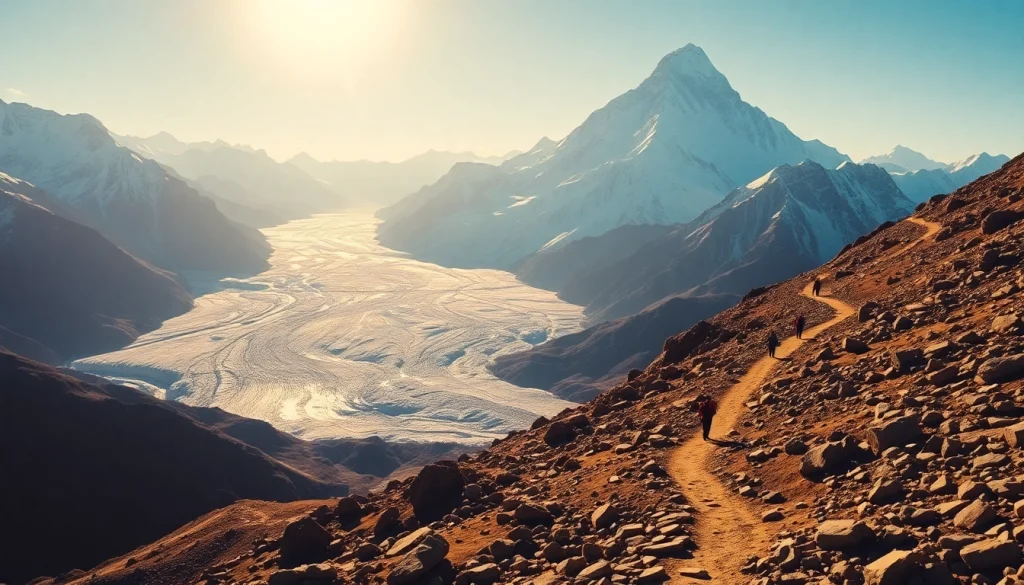
The Everest Base Camp Trek is a classic trekking route in the Khumbu region of Nepal, leading to the base camp of Mount Everest. This trek is not merely a challenge but an adventure packed with breathtaking scenery, unique wildlife, and vibrant local culture. The journey typically covers around 130 kilometers (approximately 80 miles) round trip, following well-established trails that weave through beautiful landscapes and charming Sherpa villages, offering trekkers a glimpse into the lives of the local community.
Why Trek to Everest Base Camp?
Choosing to trek to Everest Base Camp is about more than reaching a destination; it’s about the journey itself. It’s a chance to challenge oneself physically and mentally, to enjoy mesmerizing views of some of the highest peaks in the world, and to connect with the rich history and culture of the Sherpa people. Trekkers often describe a profound sense of peace and fulfillment upon reaching the base camp, surrounded by towering mountains and the feeling of simplicity that comes from being in the great outdoors.
Overview of the Trekking Route and Altitude
The trek typically commences with a flight from Kathmandu to Lukla, followed by a multi-day hike through villages like Namche Bazaar, Tengboche, Dingboche, and Lobuche. Each segment of the trek is designed with acclimatization in mind to mitigate the risk of altitude sickness. The highest point reached during the trek is the Everest Base Camp itself, located at an elevation of 5,364 meters (17,598 feet). The highest altitude trekkers reach after the base camp is Kala Patthar, standing at 5,555 meters (18,225 feet), which offers panoramic views of Everest.
Planning Your Everest Base Camp Adventure in 2025
Planning the Everest Base Camp Trek involves considering various factors such as the best time to trek, necessary permits, and what to expect along the journey. To ensure a smooth experience, trekkers should prepare adequately and remain informed about potential challenges and opportunities that may arise on the trail.
Best Time to Trek Everest Base Camp
The optimal times for trekking to Everest Base Camp are during the spring (March to May) and autumn (September to November). These months present the most favorable weather conditions, with clear skies and mild temperatures that enhance visibility and comfort while trekking. Each season brings its own unique beauty to the Himalayas, with spring showcasing blooming flowers and autumn displaying stunning fall colors.
Permits Required for EBC Trekking
To trek to Everest Base Camp, trekkers need several permits: the TIMS (Trekking Information Management System) card, Sagarmatha National Park permit, and the Khumbu Pasang Lhamu rural municipality entrance card. These permits ensure the safety and management of the trekking routes and are typically included in your trekking package.
Seasonal Considerations and What to Expect
Each season not only affects the weather but also impacts the overall trekking experience. The spring season is vibrant, while autumn brings clear skies and cooler temperatures. Winter and monsoon seasons are often avoided due to harsh weather and heavy rain, which can hinder trails and views. Trekkers should be prepared for rapidly changing conditions and should plan to bring appropriate gear for varying temperatures and weather.
Preparing for the Trek
Preparation is critical for a successful Everest Base Camp Trek. Physical fitness, mental readiness, and proper gear are fundamental components that contribute to an enjoyable adventure.
Essential Packing List for Everest Base Camp
When packing for the Everest Base Camp Trek, it’s important to consider the weather conditions and the altitude. Essential items include a high-quality sleeping bag rated for cold temperatures, thermal layers, waterproof jackets, trekking boots, and a sturdy daypack. Other necessities may include a first aid kit, hydration system, and sun protection gear like sunglasses and sunscreen. Packing smartly can make a significant difference in comfort and safety during the trek.
Physical Fitness and Training Recommendations
Physical readiness is paramount for the challenges of the Everest Base Camp Trek. Trekkers should engage in a fitness regimen at least two months prior to the trek, focusing on cardiovascular and strength training exercises. Activities such as hiking with a weighted backpack, cycling, and running will help build endurance and prepare the body for the demands of daily trekking.
Tips for Mental and Altitude Preparation
Mental preparation is just as important as physical conditioning. Trekkers should approach the journey with a positive mindset and a willingness to adapt to changes. Understanding the risks of altitude sickness and knowing how to recognize its symptoms will help travelers stay safe and enjoy the experience. Strategies for acclimatization include pacing oneself on the trail, staying hydrated, and including rest days in the itinerary.
Navigating the Trekking Experience
The Everest Base Camp Trek encompasses a range of experiences—from daily trekking schedules to accommodation and food options. Understanding these elements will enhance your overall trekking adventure.
Daily Itinerary Highlights of the EBC Trek
The typical itinerary for the EBC Trek includes several notable stops. After the flight to Lukla, trekkers usually spend the initial days hiking to Namche Bazaar, followed by acclimatization days to allow the body to adjust to the altitude. The trek continues through breathtaking landscapes, with additional acclimatization hikes included to prepare for the ascent to Everest Base Camp and Kala Patthar. Each day is planned to maximize the trekking experience while ensuring proper acclimatization.
Accommodation Options Along the Route
Trekkers will stay in local teahouses or guesthouses along the route, which offer basic lodging and meals throughout the journey. Some areas, like Lukla and Namche, provide improved facilities, including rooms with attached bathrooms and hot showers. However, conditions can be basic in more remote areas, so trekkers should be prepared for simplicity.
Food and Hydration on the Trail
Meals along the trek typically consist of local Nepali dishes, including the iconic dal bhat—rice served with lentil soup. Trekkers should also prioritize hydration by drinking plenty of water and fluids, especially at higher altitudes. Boiled water is available at teahouses for purchase, and trekking with purification tablets can also be helpful for ensuring safe drinking water.
Safety and Emergency Protocols During the Trek
Safety should always be a top priority during trekking adventures. Understanding the potential risks and knowing how to respond can significantly impact the experience.
Avoiding and Managing Altitude Sickness
Altitude sickness is a serious concern for trekkers traveling to higher elevations. Symptoms include headaches, dizziness, nausea, and fatigue. To avoid altitude sickness, it is crucial to take acclimatization days seriously and to listen to your body. If symptoms arise, descend to lower altitudes immediately and seek proper care.
Safety Gear and First Aid Essentials
Carrying a basic first aid kit is essential for addressing common trekking ailments. Items like pain relievers, blister care, and altitude sickness medication should be included. Guides trained in first aid will accompany trekkers, providing additional support and guidance in case of emergencies.
Emergency Contacts and Communication
Having a clear plan for emergencies is crucial. Trekkers should keep emergency contact information accessible and ensure their guides have the means to communicate with base camp or emergency services. In regions with poor network coverage, satellite phones can provide an essential backup for emergency communication.