
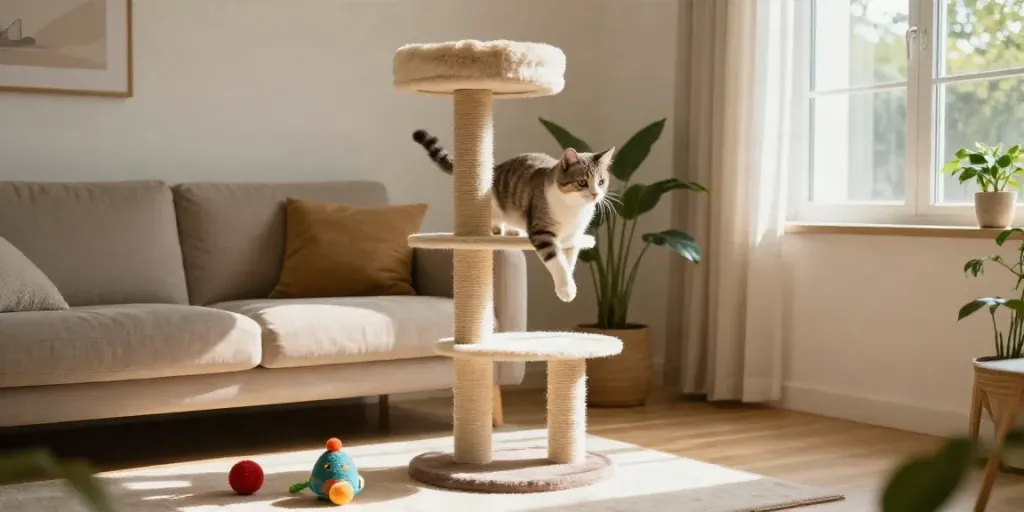
The Evolution of Cat Towers: Design Trends for 2026
As the relationship between cats and their owners continues to evolve, so does the design and functionality of cat towers. In 2026, we see an exciting transformation in cat tower designs that not only promote feline playfulness but also integrate seamlessly into modern homes. These enhancements are characterized by their use of modern materials, innovative features, and aesthetic styles that cater to the discerning tastes of pet owners. When exploring options, cat tower designs reflect a broader understanding of pet needs and human preferences, making them essential elements in feline care.
Modern Materials and Sustainability
Recent trends in cat tower materials focus on sustainability and durability. With increasing environmental awareness, manufacturers are shifting towards eco-friendly options like recycled wood, bamboo, and non-toxic synthetic fabrics. These materials not only contribute to a lower ecological footprint but also ensure that the products are safe for pets. Additionally, modern cat towers often feature scratch-resistant surfaces and weatherproof components, making them suitable for indoor and outdoor use. This evolution signifies a commitment to producing long-lasting, aesthetically pleasing cat furniture that aligns with current eco-conscious values.
Functional Features that Enhance Cat Towers
Today's cat towers are equipped with functionalities that cater to feline instincts and preferences. Features such as multiple platforms, integrated scratching posts, and cozy hideaways allow cats to engage in natural behaviors like climbing, scratching, and sleeping. Furthermore, many designs include interactive elements, such as dangling toys or climbing ramps, that promote physical activity and mental stimulation. As pet owners increasingly prioritize their cats' health and happiness, these functional enhancements have become standard in high-quality cat tower designs.
Aesthetic Styles and Home Integration
Gone are the days when cat towers were bulky, unattractive structures cluttering the living room. The 2026 designs emphasize aesthetic appeal, incorporating sleek lines and various finishes to complement home decor. Whether it's a minimalist Scandinavian design or a luxurious upholstered tower, modern cat towers are crafted to fit seamlessly into everyday living spaces. This shift not only enhances the home environment but also allows pet owners to express their style while providing their cats with the best. With an array of options available, finding a tower that matches both functionality and aesthetics is now easier than ever.
Choosing the Right Cat Tower for Your Feline Friend
Selecting the ideal cat tower requires careful consideration of several factors to ensure it meets the needs of both the cat and its owner. By understanding your feline friend's behavior and preferences, alongside your living space and budget, you can make an informed choice that enhances your pet's quality of life.
Size and Space Considerations
One of the most critical aspects of choosing a cat tower is the size relative to your available space and your cat's dimensions. If you have a larger breed, you'll require a more spacious tower with robust, stable platforms to support their weight. In contrast, smaller breeds might thrive on compact designs that maximize vertical space without taking up too much room. Be sure to measure your space and consider the tower’s footprint before making a purchase, ensuring it fits comfortably within your home.
Understanding Your Cat's Behavior and Preferences
Every cat has unique preferences influenced by their personality and past experiences. Some cats enjoy climbing and perching at high heights, while others prefer low, cozy spaces. Observe your cat's behavior—if they often seek out high places, a tower with multiple levels will appeal to them. Conversely, if they are more reserved, a tower with enclosed spaces might be better suited. Recognizing these preferences will aid in selecting a tower that keeps your cat engaged and content.
Budgeting for Quality: What to Expect
The price of a cat tower can vary widely based on materials, features, and size. While budget options may be tempting, investing in a high-quality tower often pays off in the long run with enhanced durability and features that better serve your pet's needs. A well-constructed cat tower can provide years of enjoyment and health benefits for your feline friend. Generally, expect to spend anywhere from $100 to $500, depending on the complexity and quality of the design.
Benefits of Cat Towers for Cat Health and Wellbeing
Cat towers are not just luxury items; they are essential instruments for promoting the health and wellbeing of our feline companions. The benefits they provide go beyond mere entertainment and play a crucial role in a cat's physical and psychological health.
Encouraging Physical Activity
Regular physical activity is vital for maintaining a healthy weight and preventing obesity in cats. Cat towers offer an ideal solution by encouraging climbing, jumping, and playing. With features designed to stimulate movement, such as multi-level platforms and integrated ramps, cat towers help to meet the energy needs of active felines, contributing to their overall health. Additionally, this activity can prevent common behavioral issues associated with boredom and inactivity.
Mental Stimulation through Play
Play is essential for a cat's mental well-being. Interactive elements in modern cat towers engage a cat's natural hunting instincts, providing them with mental challenges. Features like scratching posts and toys keep cats occupied, helping to reduce stress and anxiety. A mentally stimulated cat is less likely to exhibit destructive behaviors, making a well-designed cat tower a smart investment for any cat owner.
The Comfort of High Spaces: Cat Psychology
Cats are instinctively drawn to high places, where they can observe their surroundings and feel safe. Providing access to vertical spaces through a cat tower allows them to fulfill this instinct, as it gives them a sense of security and control over their environment. Elevated platforms can help reduce stress by providing retreat areas where cats can escape from perceived threats. Understanding this psychological need allows pet owners to create safer and more enriching environments for their feline friends.
Installation and Maintenance of Cat Towers
Owning a cat tower comes with responsibilities regarding its installation and upkeep. Proper assembly and maintenance ensure that the tower remains safe and functional for your cat.
Assembly Tips for Your New Cat Tower
When assembling a cat tower, follow the manufacturer's instructions meticulously. Make sure all parts are secure, and double-check that all screws and bolts are tightened properly. It's advisable to have a designated space ready before assembly; this makes it easier to manage the size and weight of the components. If your cat is curious, consider keeping them away during assembly to prevent any accidents.
Keeping Your Cat Tower Clean and Sanitary
Regular maintenance of your cat tower is crucial not only for hygiene but also for your cat's health. Vacuum the surfaces regularly to remove hair and debris, and wipe down any fabric areas with a damp cloth to remove stains. For deeper cleaning, use pet-safe cleaners that will not harm your furry friend. Additionally, inspect the tower for any signs of wear or damage that may require repairs or replacement.
Signs It's Time to Replace Your Cat Tower
Even the most durable cat towers will eventually show signs of wear and tear. Signs it may be time to replace your cat tower include significant damage, such as broken platforms, sharp edges, or unstable structures. If your cat is no longer showing interest in the tower, it may indicate that the tower has become less appealing or even unsafe for them. Regularly assess the condition of the tower to ensure it remains a safe and enjoyable space for your cat.
Future Trends in Cat Furniture Beyond 2026
The cat furniture market is constantly evolving, driven by innovations in design, technology, and consumer preferences. As we look towards the future, several trends are emerging that will shape cat furniture.
Technological Innovations in Cat Towers
New technologies are beginning to infiltrate the pet industry, including cat towers. Innovations such as built-in sensors that track a cat's activity levels, integrated heating elements for warmth, and even smart features that allow for remote engagement through apps are becoming more common. These advancements not only cater to the convenience of pet owners but also enhance the wellbeing of pets through tailored experiences.
Predictions for Cat Furniture Design and Functionality
As the understanding of feline behavior grows, so too will the designs of cat towers. Future models may include more modular features, allowing owners to customize height and layout according to their space and their cat's preferences. Additionally, the integration of multi-functional aspects—such as cat trees that convert into stylish shelving or furniture—will be a significant focus, blending aesthetic appeal with practicality.
Engaging with Community Feedback for Future Developments
Manufacturers are beginning to recognize the importance of engaging with pet owners when developing new products. By leveraging customer feedback and preferences, companies can create more desirable and tailored solutions that cater to the evolving needs of both cats and their owners. This trend fosters a closer partnership between consumers and designers, resulting in a more innovative cat furniture market.
What Cat Towers are Recommended for Large Breeds?
For larger cat breeds, it is essential to select towers that provide ample support and stability. Look for cat towers designed specifically for large breeds, which typically include reinforced structures, wider platforms, and sturdy bases. These towers must be able to withstand the weight and activity levels of larger cats, ensuring that they feel safe while engaging in play or resting.
Can a Cat Tower Help with Behavioral Issues?
Yes, a cat tower can significantly alleviate common behavioral issues in cats. By providing ample opportunities for climbing, hiding, and scratching, cat towers can redirect negative behaviors, such as furniture scratching or excessive meowing. They also provide mental stimulation, helping to prevent boredom-induced behavioral problems by keeping cats entertained and engaged.
What Features Should I Look for in a Cat Tower?
When shopping for a cat tower, prioritize features that cater to your cat's needs. Look for sturdy construction to ensure safety, multiple levels for climbing and exploration, integrated scratching posts, and cozy hiding spots. Additionally, consider models with detachable parts for easy cleaning and customization options that allow for personalization based on your cat's preferences.
How Often Should I Replace My Cat Tower?
The lifespan of a cat tower can vary depending on materials and usage. Generally, a well-maintained tower should last anywhere from three to five years. However, if you notice significant wear and tear, or if your cat shows a lack of interest in the tower, it may be time to consider a replacement. Regular checks can help prolong the life of the tower, but ultimately, the focus should always be on your cat's safety and happiness.
Are There Eco-Friendly Options for Cat Towers?
Yes, many manufacturers are now producing eco-friendly cat towers made from sustainable materials. Options can include cat trees constructed from reclaimed wood, bamboo, or other recyclable materials. Additionally, look for non-toxic finishes and fabrics to ensure a safe environment for your pet. Investing in eco-friendly choices not only supports a healthier planet but also contributes to your cat's wellbeing.