
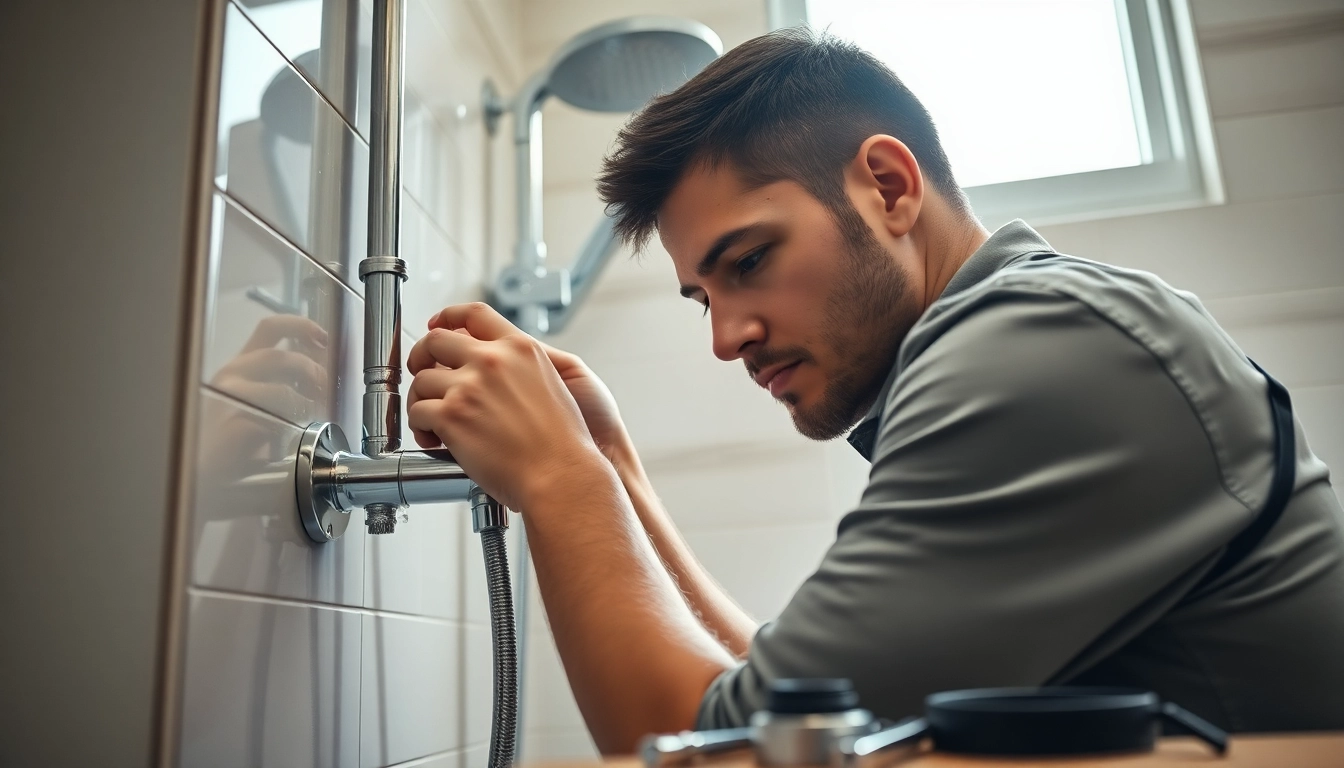
Understanding Common Reasons Why Your Shower Not Working
Experiencing issues with your shower can truly disrupt your daily routine. Whether it’s the water not flowing or inconsistent water temperature, various factors can contribute to the problem. Understanding these common reasons can empower you to troubleshoot effectively. Possible causes can range from simple clogs to more complex water supply issues. If you find yourself facing a shower not working situation, it’s beneficial to identify these factors early on.
Clogs and Blockages: The Usual Suspects
One of the most common reasons your shower might not be functioning properly is due to clogs or blockages. This can happen in a variety of places within the shower system:
- Showerhead: Mineral deposits and grime can accumulate over time, blocking the spray holes.
- Drain: Hair, soap scum, and other debris can build up in the drain, leading to slow drainage or backups.
- Pipes: Blockages can also occur deeper within the plumbing, caused by rust, grease, or foreign objects.
To avoid this issue, regular cleaning and maintenance are essential. A simple vinegar solution can help dissolve mineral deposits on the showerhead, and a drain catcher can prevent hair and debris from causing clogs in the first place.
Water Supply Issues: Investigating the Sources
If your shower isn’t receiving any water, or if the pressure is significantly lower than usual, the problem could lie with the water supply. Consider the following points:
- Main Water Supply: Ensure that the water supply to your home is functioning properly. Check if other fixtures in the house are working.
- Shut-off Valves: Sometimes, individual shut-off valves for the shower may be partially or fully closed. Confirm that these valves are open.
- Municipal Supply Issues: Occasionally, the municipal water supply may experience interruptions due to maintenance work or emergencies.
Compiling this information can help you diagnose whether the issue is specific to your shower or a more widespread problem.
Faulty Fixtures: Identifying Problems with Valves and Showers
Fixtures like faucets, valves, and showerheads themselves can also be sources of trouble. Issues can arise from:
- Damaged Valves: If valves are worn or damaged, they may not turn or seal correctly, causing leakage or failure to operate.
- Temperature Control: Problems with thermostatic mixing valves can lead to irregular water temperature, affecting comfort and safety.
- Showerhead Malfunction: Old or malfunctioning showerheads may not produce a smooth water flow and can be replaced inexpensively.
Regular checks on these components ensure that you catch issues before they escalate into significant problems.
DIY Troubleshooting for a Shower Not Working
Tackling minor shower issues can save you time and money. Here’s a step-by-step approach to troubleshooting the common problems.
Step-by-Step Guide to Assessing Clogs
Begin by checking for clogs, which are often the simplest issues to resolve:
- Inspect the Showerhead: Remove it and soak it in a vinegar solution to dissolve mineral accumulation.
- Check the Drain: Use a plunger or drain snake to remove any visible hair or debris. If the plumbing is deeper clogged, consider using a plumbing auger.
- Run Water: After cleaning, run the water to ensure proper drainage has been restored.
Checking Your Water Heater Settings
If the water isn’t heating or fluctuates unpredictably, adjust your water heater:
- Temperature Setting: Ensure the water heater is set to the desired temperature, typically between 120°F – 140°F.
- Check Power Supply: If using an electric heater, check that it is powered on and functioning. For gas heaters, ensure the pilot light is lit.
- Inspect the Heater: Look for leaks or other issues that might indicate a need for professional repairs.
Tools You Need for Basic Repairs
Having the right tools makes it easier to address shower issues without extensive hassle:
- Adjustable Wrench: Useful for loosening fittings and connections.
- Screwdrivers: A variety of sizes, both Phillips and flat-head, can help you access and replace a range of fixtures.
- Drano or Pipe Cleaners: These can assist in clearing minor drain clogs.
- Plumber’s Tape: Essential for ensuring tight seals in pipe connections.
- Bucket: Important for catching any water that may leak during repairs.
When to Call a Professional for Shower Not Working
While many shower issues can be resolved independently, certain problems require professional intervention. Understanding when to call in the experts is key.
Signs That Indicate Major Plumbing Issues
Recognizing signs that suggest a greater issue is vital. Look for:
- Water Damage: Stains on ceilings or walls indicate leaks that could be damaging your home.
- Low Water Pressure: If multiple faucets in your home exhibit low pressure, it’s likely a plumbing issue rather than an isolated shower problem.
- Unusual Noises: Sounds like clanking or gurgling often suggest clogs or air in your plumbing system, needing professional diagnostics.
The Cost-Benefit of Professional Intervention
The cost of hiring a professional might seem high initially, but their expertise can prevent further damage and expenses down the line. Most plumbing services charge:
- Hourly Rates: Ranging between $50 to $150.
- Flat Fees: Some services charge flat fees for specific tasks, which can provide clarity on pricing.
Weighing the potential costs of damage against the investment in professional help is wise, especially if diagnosed early.
How to Choose a Reliable Plumbing Service
Selecting a trustworthy plumbing service can significantly impact the quality of repairs:
- Research Reviews: Look for customer reviews online to gauge service reliability.
- Check Credentials: Ensure the plumber is licensed and insured, which protects you and the technician.
- Get Multiple Quotes: Comparing quotes helps you find a well-priced service without compromising on quality.
Maintaining Your Shower to Prevent Issues
Prevention is always better than cure, especially concerning plumbing issues. Regular maintenance can extend the life of your shower while protecting against common problems.
Regular Cleaning Tips: Keeping Pipes Clear
Maintaining cleanliness in your shower area prevents build-up:
- Weekly Clean: Clean the showerhead and walls to prevent soap scum and mineral deposits.
- Drain Maintenance: Use a drain strainer and clean it regularly to prevent clogs.
- Deep Cleaning: Periodically, do a deeper clean using a mixture of vinegar and baking soda to maintain a healthy flow.
Routine Inspection Checklist for Homeowners
Creating a regular inspection checklist can help catch small issues before they become significant:
- Inspect for leaks around fixtures and seals.
- Check water pressure and temperature.
- Ensure all valves function properly.
- Clean all parts of the shower regularly.
The Importance of Quality Fixtures
Investing in high-quality fixtures not only enhances the appearance of your shower but can also reduce the frequency of repairs:
- Durability: High-quality materials withstand wear and tear better.
- Water Efficiency: Better fixtures can help save water, which is good for the environment and your wallet.
FAQs About Shower Not Working
What should I check first if my shower not working?
Start by inspecting for clogs in the showerhead or drain, and ensure the water supply is on.
Can I fix a shower not working by myself?
Yes, many issues like clogs can be resolved with basic tools and knowledge; however, complex problems may require a pro.
How much does it cost to repair a shower?
Repair costs vary depending on the issue but can range from $100 to $500, depending on parts and labor.
Why does my shower not work sometimes?
Intermittent issues can result from underlying plumbing problems, such as pressure fluctuations or valve wear and tear.
How can I prevent my shower from not working?
Regular maintenance, including cleaning and checking fittings, helps prevent future issues with your shower.