
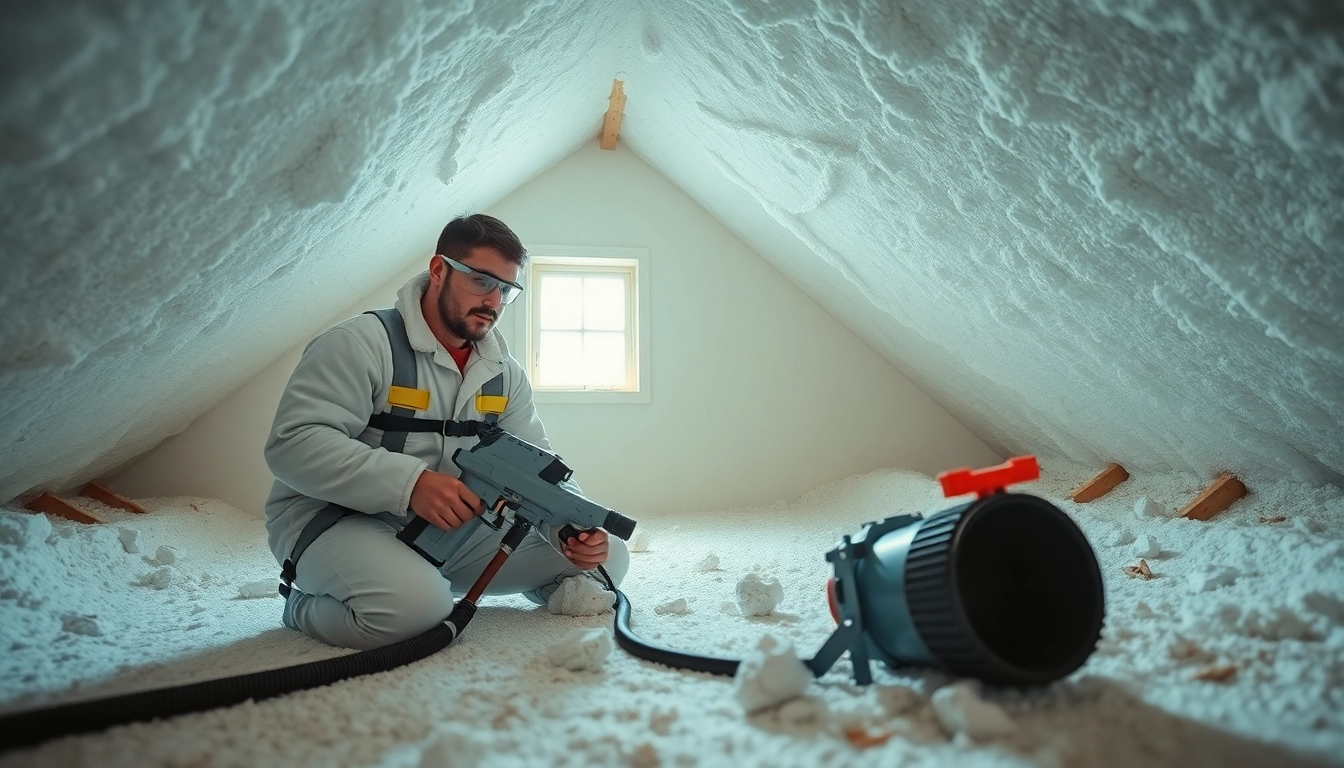
Understanding Spray Foam Removal East Sussex
Spray foam insulation is frequently touted for its excellent thermal performance and air sealing capabilities. However, circumstances may arise when spray foam removal East Sussex becomes necessary. Understanding the complexities of this process is fundamental for homeowners and building managers alike. This comprehensive guide delves into the nuances of spray foam insulation, reasons for removal, signs indicating it’s time for a change, and the methods used during the removal process.
What is Spray Foam Insulation?
Spray foam insulation is a versatile and effective insulation material that is used primarily in residential and commercial buildings. Often available in two types — open-cell and closed-cell — spray foam provides superior thermal resistance compared to traditional insulation materials. It consists of two components: isocyanate and polyol resin, which, when mixed, expand rapidly to form a solid foam. This foam fills spaces and gaps, creating a tight thermal envelope that reduces energy costs and enhances comfort.
Common Reasons for Removal
While spray foam insulation offers many advantages, there are valid reasons for choosing to have it removed. Some common reasons include:
- Poor Installation: Improper application can lead to air pockets and reduced effectiveness.
- Degradation: Over time, spray foam can degrade, especially when exposed to moisture and extreme temperatures.
- Health Concerns: If fumes or off-gassing occur, removal may be necessary for safety.
- Building Modifications: Renovations or alterations may necessitate the removal of the existing insulation.
- Moisture and Mold Issues: If moisture accumulates, it can lead to mold growth within the foam.
Signs You Need Spray Foam Removal
Recognizing the signs that your spray foam insulation requires removal can help prevent further damage and health issues. Watchful indicators include:
- Visible Damage: Cracking, peeling, or discoloration signals that the foam is failing.
- Unpleasant Odors: Strong chemical smells can indicate the breakdown of the foam.
- Mold Growth: If mold develops on or around the foam, it may need to be removed.
- Unusual Allergies: Persistent respiratory issues can be linked to off-gassing.
- Increased Energy Bills: If energy costs are rising, your insulation may not be performing efficiently.
Techniques for Effective Spray Foam Removal
When it comes to spray foam removal, employing the right techniques makes a significant difference in efficiency and safety. Here are some methods and practices used during the removal process.
Manual vs. Mechanical Removal
Spray foam removal can typically be categorized into two main methods: manual removal and mechanical removal.
Manual Removal: This method involves using hand tools to physically scrape or cut away the foam. It can be labor-intensive and time-consuming but is suitable for small areas or less challenging removals.
Mechanical Removal: Involves using specialized machines designed to grind or saw off the foam. This method is often faster and more effective, especially for larger areas or when foam is hard-set and difficult to reach manually.
Using the Right Tools
Equipping the right tools enhances the efficiency of spray foam removal. Essential tools include:
- Electric Saws: Useful for cutting through dense foam.
- Scrapers: Effective for manual removal of loose foam.
- Vacuum Systems: For collecting debris and minimizing mess.
- Respirators and Safety Gear: Essential for protecting against dust and chemical exposure.
Safety Protocols During Removal
Conducting spray foam removal safely is paramount. Always follow these protocols to ensure both worker safety and environmental protection:
- Wear Proper PPE: Gloves, goggles, and respirators are necessary.
- Ensure Proper Ventilation: Work in well-ventilated areas to reduce inhalation risks.
- Monitor Equipment: Check all tools and equipment before use to avoid accidents.
- Dispose of Waste Properly: Follow local guidelines for disposing of the removed foam.
Costs and Considerations for Spray Foam Removal East Sussex
Understanding the costs associated with spray foam removal can help in creating an appropriate budget. Various factors influence these costs, which are essential to consider before engaging service providers.
Budgeting for Removal Services
Budgeting for spray foam removal East Sussex involves accounting for several elements, including labor, equipment rental, and disposal fees. On average, homeowners can expect to pay anywhere from £20 to £60 per square meter, depending on the complexity of the job.
Factors Influencing Cost
Several factors influence the overall cost of spray foam removal, including:
- Extent of Coverage: Larger areas will naturally require more time and resources.
- Type of Spray Foam: The type of foam present can dictate the ease of removal.
- Accessibility: How difficult it is to access the foam can significantly affect labor costs.
- Local Market Rates: Prices vary by region, affecting the overall expense.
Long-term Financial Benefits
Although the initial cost of removal may seem steep, the long-term financial benefits can outweigh this investment. Improved insulation efficiency can lead to lower energy bills, increased property value, and the avoidance of mold-related health costs in the future.
DIY vs. Professional Spray Foam Removal East Sussex
The decision to remove spray foam insulation on your own or hire professionals is significant and depends on several factors. Here’s what to consider.
When to Consider DIY Removal
Homeowners may consider DIY removal if:
- The removal area is small.
- They possess adequate time and basic skills.
- They can obtain necessary tools easily.
Keep in mind that DIY projects can often lead to unforeseen complications, so careful planning is essential.
Benefits of Hiring Professionals
Opting for professionals often yields benefits that justify the expense:
- Expertise: Specialists have experience in safely removing spray foam.
- Time Savings: Professionals can complete the job more quickly than most DIY efforts.
- Risk Mitigation: Reduces the chances of injury or damage compared to DIY.
Evaluating DIY Risks
Despite potential savings, DIY removal of spray foam entails substantial risks, including injuries from improper use of tools, exposure to harmful chemicals, and possible damage to structural elements of the home. These risks should be evaluated carefully when making your decision.
FAQs About Spray Foam Removal East Sussex
How long does spray foam removal take?
The time required for spray foam removal varies, generally ranging from a few hours to several days, depending on the area size and extent of foam application.
What types of safety gear are necessary?
Essential safety gear includes gloves, goggles, respirators, and protective clothing to minimize exposure to dust and chemicals.
Can I replace insulation after removal?
Yes, after the removal process, you can replace the insulation with a new material based on your preference and building needs.
Is spray foam removal a messy process?
Yes, spray foam removal can be messy, but proper preparation and equipment can help minimize mess and facilitate cleanup.
Are there any health risks associated with spray foam?
Yes, if not properly installed or maintained, spray foam can off-gas harmful chemicals, causing respiratory issues and other health concerns.