
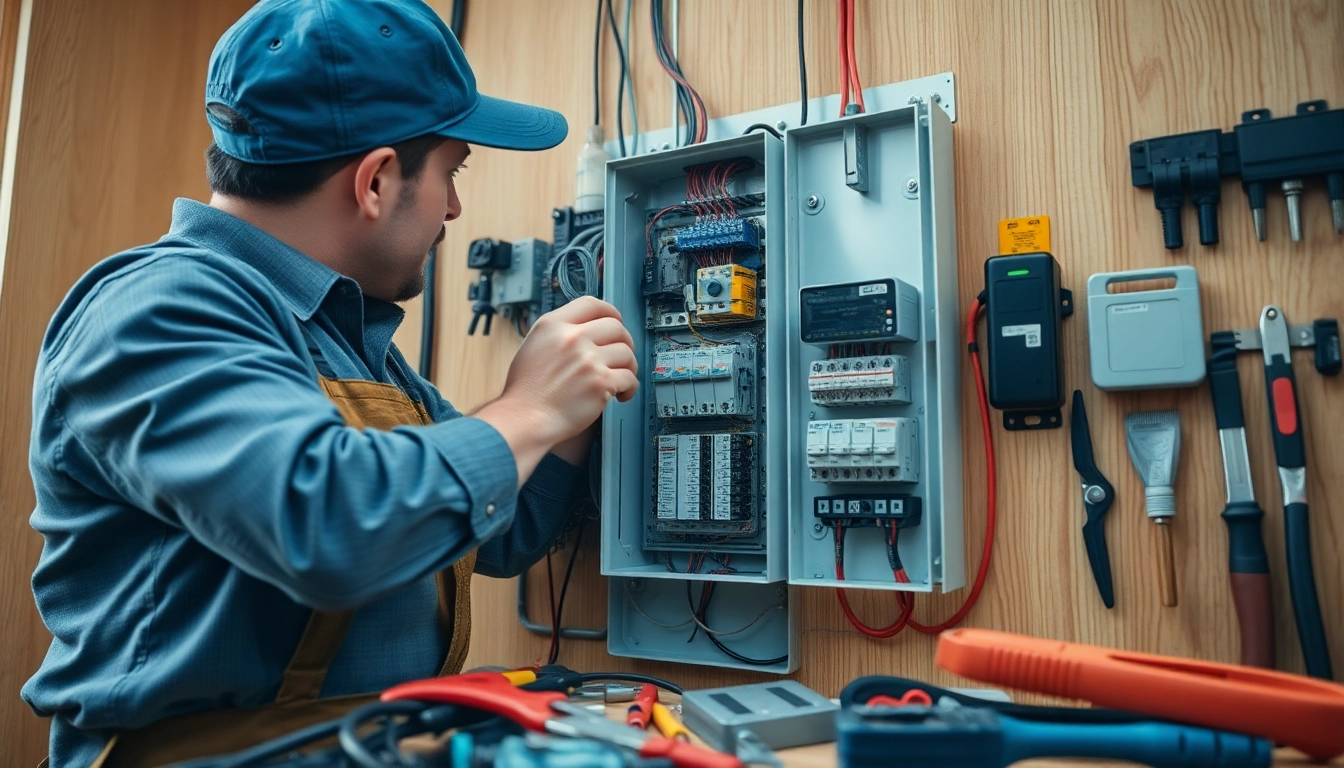
Understanding Fuse Box Replacement London
What is a Fuse Box?
A fuse box, also known as a consumer unit, is a crucial component of your home’s electrical system. It serves as the point where the electricity supply is distributed to various circuits throughout your property. Inside the fuse box, you’ll find fuses or circuit breakers that protect your electrical circuits from overloads or short circuits. Essentially, it acts as a safeguard, ensuring that electrical issues do not pose a risk to your home or its inhabitants.
Importance of Fuse Box Replacement
The importance of fuse box replacement cannot be overstated, particularly in a city like London, where electrical systems can be outdated and prone to wear and tear. Replacing an old or malfunctioning fuse box is critical for several reasons:
- Safety: An outdated fuse box may not adequately protect against electrical faults, increasing the risk of fires and electrocution.
- Compliance: Modern electrical regulations require up-to-date installations to ensure safety standards are met.
- Efficiency: Newer fuse boxes support current electrical demands and can improve the overall efficiency of your home’s electrical system.
Signs It’s Time for a Replacement
Identifying when your fuse box requires replacement can be challenging but is critical for safety. Here are common signs that indicate it’s time for a fuse box replacement london:
- Frequent Blown Fuses: If you experience regular blown fuses or tripped breakers, it indicates your fuse box may not handle your electrical usage.
- Flickering or Dimming Lights: Intermittent lighting issues signify potential problems in the electrical distribution system.
- Buzzing or Hot Switches: These are warning signs that your wiring may be overloaded or malfunctioning.
The Replacement Process
Initial Assessment and Planning
The first step in the fuse box replacement process involves a comprehensive assessment of your electrical system. A qualified electrician will evaluate the age, condition, and capacity of your current fuse box, identifying any immediate risks and your electrical needs. This assessment is vital to determine the correct type of fuse box that suits your lifestyle and energy demands.
Steps to Replace Your Fuse Box
Replacing your fuse box is a meticulous process that should only be undertaken by experienced professionals. Here’s a general overview of the steps involved:
- Turn Off the Power: Before beginning any work, the main electrical supply must be entirely disconnected to ensure safety.
- Remove the Old Fuse Box: The electrician will carefully disconnect and remove the old fuse box, ensuring all wiring is accounted for.
- Install the New Fuse Box: The new unit is installed according to manufacturer instructions and current building codes. Proper alignment and secure attachment are necessary for safety.
- Reconnect Wiring: Electricians will meticulously reconnect all existing circuits to the new box, ensuring everything is up to standard.
- Test the System: Once everything is connected, the power is reinstated, and the electrician will test the system to ensure proper functionality.
Common Tools and Safety Equipment
Safety during fuse box replacement is paramount. Here are common tools and safety equipment that should be used:
- Insulated Tools: Helps prevent electrical shocks.
- Voltage Tester: Used to check the presence of electrical current before beginning any work.
- Safety Goggles and Gloves: Protects eyes and hands from potential hazards.
- Fire Extinguisher: Having one nearby can be life-saving in case of emergency.
Choosing the Right Fuse Box
Different Types of Fuse Boxes
When considering a fuse box replacement, understanding the various types available is essential:
- Miniature Circuit Breakers (MCBs): Automatically switch off the circuit during overload without needing replacement.
- Residual-Current Device (RCD): Provides protection by preventing electric shock and reducing fire hazards.
- Fusible Link Boxes: Traditional option that uses fuses which must be replaced after an overload.
How to Select the Best One for Your Needs
Choosing the right fuse box is vital for safety and efficiency. Consider the following factors:
- Electrical Load: Calculate your household’s electrical load to select a unit that can handle your needs.
- Future Growth: Consider any upcoming electrical appliances or renovations that may require additional capacity.
- Quality and Ratings: Ensure that the fuse box meets regulatory standards and comes from a reputable manufacturer.
Consulting with Professionals
Professional electricians have the expertise to assess your specific requirements thoroughly. Consulting with them can provide you with valuable insights into choosing the most suitable fuse box for your needs. They can also help ensure the installation adheres to the local regulations, providing peace of mind regarding functionality and safety.
Cost and Budgeting for Fuse Box Replacement London
Average Costs of Replacement
The costs associated with fuse box replacement in London can vary widely. On average, homeowners can expect to pay between £400 and £1,000, depending on several factors, including the type of unit selected, labor costs, and the complexity of the installation.
Factors Affecting the Price
Numerous elements can influence the cost of fuse box replacement:
- Type of Fuse Box: Choosing higher-spec models with advanced features will increase costs.
- Labor Costs: Rates may vary significantly depending on the electrician’s experience and local market rates.
- Wiring Needs: If your home requires new wiring or upgrades, this could add to the overall expense.
Budgeting Tips for Homeowners
Effectively budgeting for a fuse box replacement can help you avoid financial strain:
- Get Multiple Quotes: Always compare quotes from different electricians to find the best value.
- Plan for Future Growth: Investing in a more capable unit now can save costs later on.
- Consider Financing Options: Some service providers may offer payment plans to help manage costs.
Maintenance and Safety Tips
How to Maintain Your Fuse Box
Regular maintenance is crucial to ensuring the longevity and safety of your fuse box. Here are essential maintenance tips:
- Regular Inspections: Schedule evaluations every few years to check for signs of wear or damage.
- Keep the Area Clean: Dust and debris can lead to overheating. Keep the surrounding area tidy.
- Document Changes: Maintain a record of any modifications made to your electrical system for future reference.
Safety Precautions During Use
Improper use of your electrical system can lead to hazards. Here are essential safety precautions:
- Do Not Overload Circuits: Be cautious about connecting too many devices on one circuit to prevent overheating.
- Know Your Fuse Ratings: Ensure that your appliances do not exceed the fuse box’s ratings.
- Stay Alert for Warning Signs: Pay attention to unusual sounds, smells, or warmth in your fuse box or electrical outlets.
When to Call a Professional
If you notice any significant issues with your fuse box or electrical system, it’s crucial to contact a professional immediately. Signs to watch for include:
- Frequent tripping or blown fuses.
- Burn marks or scorching on or around the fuse box.
- Power fluctuations affecting appliance functionality.
Frequently Asked Questions
What are the signs that my fuse box needs replacement?
Look for frequent blown fuses, flickering lights, or a buzzing sound from the box, which indicate serious issues.
How long does a fuse box replacement take?
The process typically takes a few hours, depending on the complexity and any additional wiring needs.
Can I replace my fuse box myself?
It’s best to hire a licensed electrician to ensure safe and compliant installation with local codes.
What is the average cost for a fuse box replacement London?
Costs vary widely but generally range from £400 to £1,000 depending on the type and complexity involved.
How often should fuse boxes be replaced?
Fuse boxes should be inspected every 10-15 years, or sooner if they show signs of wear or outdated technology.