
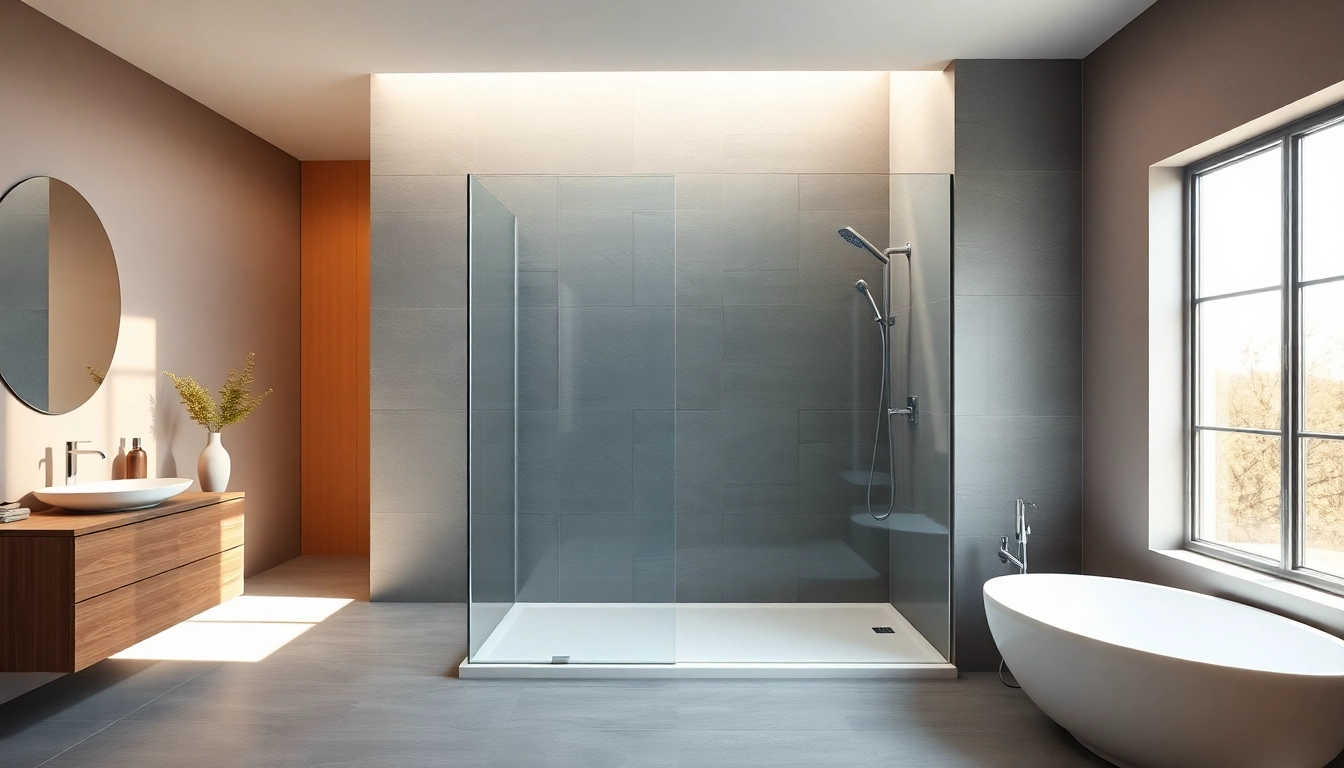
Understanding Wet Room Showers
What is a Wet Room Shower?
A wet room shower is an innovative bathroom design that integrates the shower area into the overall space without the confines of a traditional shower enclosure. This design creates a seamless transition between the shower and the rest of the bathroom, enhancing the sense of space and accessibility. In contrast to a conventional shower, a wet room shower often features a floor-level drain and a waterproofed area that minimizes boundaries, effectively converting the entire room into a showering zone.
Benefits of Wet Room Showers
Opting for a wet room shower comes with numerous advantages. For starters, it significantly enhances aesthetic appeal, creating a modern and luxurious feel in the bathroom. This open-concept style provides a sense of spaciousness, making it particularly advantageous for smaller bathrooms where space optimization is key. Additionally, wet rooms are easier to clean compared to traditional shower compartments since there are fewer nooks and crannies to maintain.
Moreover, wet room showers are versatile and can cater to various design preferences and requirements. They can be tailored for accessibility, making them a practical choice for individuals with mobility concerns. With efficient waterproofing and drainage systems, wet room showers effectively manage water, preventing leaks and water damage in surrounding areas. Lastly, the ability to customize materials and finishes allows homeowners to create unique designs that reflect their personal style.
Common Features of Wet Room Showers
Wet room showers typically include a variety of essential features that contribute to their functionality and style. Here are some common elements:
- Drainage Systems: A well-designed wet room features either a central or linear drainage system, ensuring efficient water flow.
- Slip-Resistant Flooring: Safety is paramount; thus, many wet rooms incorporate textured tiles or vinyl flooring that offer grip even when wet.
- Wall-Hung Fixtures: To maximize space, fixtures such as toilets, sinks, and storage units are often wall-mounted.
- Stylish Glass Screens: Glass panels are commonly used to delineate the shower area while maintaining an open feel.
- Variety of Showerheads: Rainfall, handheld, and body jets provide customizable shower experiences.
Designing Your Wet Room Shower
Choosing the Right Location
The placement of your wet room shower is crucial to its functionality and overall design. When selecting a location, consider factors such as plumbing access, proximity to other amenities, and natural light availability. Ideally, a wet room should be situated in a section of the bathroom that allows for adequate drainage while allowing easy access to other areas. Furthermore, keep in mind that the choice of location impacts waterproofing requirements and installation costs.
Selecting Materials and Finishes
Choosing the right materials and finishes is vital in creating a wet room that is both visually appealing and durable. Common materials for wet room floors include ceramic and porcelain tiles, natural stone, and vinyl. Each of these materials offers distinct benefits, with ceramic tiles being highly water-resistant, while vinyl provides comfort underfoot.
Additionally, wall finishes should be non-porous to resist moisture and mold growth. Consider materials such as glass panels, stone cladding, or waterproof paint. A cohesive color palette and stylish accents can contribute to a luxurious and inviting atmosphere within your wet room. Finally, ensure that the chosen materials possess slip-resistant properties to enhance safety.
Accessible Wet Room Shower Designs
Designing an accessible wet room shower is essential for accommodating individuals with mobility challenges. Key elements to consider include:
- Flat Entry: Ensure that the entrance is flush with the floor, eliminating tripping hazards.
- Grab Bars: Install secure handrails within the shower area for support when entering or exiting.
- Adjustable Showerheads: A handheld showerhead that can be adjusted in height allows users of varying heights to shower comfortably.
- Clear Space: Minimize clutter to allow for easy maneuvering, especially for wheelchair access.
Incorporating these features ensures that the shower is not only functional but safe for all users.
Installation Considerations for Wet Room Showers
Preparing the Space for Installation
Before installing a wet room shower, it’s imperative to prepare the space adequately. This preparation involves clearing the existing bathroom of fixtures and ensuring that surfaces are leveled and clean. Additionally, proper assessments of plumbing and electrical systems are necessary. These elements may need modification to accommodate the new wet room layout. Engage a professional for thorough assessments, as they can identify any hidden issues that might compromise the installation process.
Understanding Waterproofing Requirements
One of the most critical aspects of installing a wet room shower is ensuring effective waterproofing. The entire shower area and surrounding spaces must be sealed with high-quality waterproof membranes. Common methods of waterproofing include applying a liquid waterproofing solution or installing waterproof boards behind tiles. It’s essential to ensure that all junctions, including corners and edges, are adequately sealed. Employing a drainage system that captures water effectively is also part of the waterproofing strategy, preventing water from escaping into areas that could cause damage.
Hiring Professional vs. DIY Installation
The decision between hiring a professional or opting for a DIY wet room shower installation depends on several factors, including skill level, experience, and the complexity of the project. While a DIY approach may save costs, improper installation can lead to issues such as leaks, poor drainage, and compromised waterproofing, which can be costly to rectify later on. Professionals possess the expertise to handle installation nuances and ensure compliance with building codes and regulations. They can also offer design insights and assistance in selecting the right materials.
Maintaining Your Wet Room Shower
Cleaning and Care Tips
To prolong the lifespan of your wet room shower, consistent cleaning and maintenance are essential. Regularly wipe down surfaces with a non-abrasive cleaner, focusing on the glass panels and tiles to prevent water spots and lime scale build-up. Utilize a squeegee after each use to minimize moisture accumulation. Furthermore, keep the bathroom well-ventilated to reduce humidity levels, helping to discourage mold and mildew growth.
Preventing Mold and Mildew
Bathtubs, tiles, and other surfaces in wet rooms can be prone to mold and mildew due to prolonged exposure to moisture. Implement preventive measures, such as using mold-resistant sealants and regularly inspecting and maintaining caulking around fixtures. Utilizing exhaust fans can further enhance ventilation, removing excess moisture from the air. Also, consider scheduling professional inspections periodically to ensure that waterproofing remains intact.
Regular Maintenance Checklist
To keep your wet room shower in optimal condition, consider creating a regular maintenance checklist that includes tasks such as:
- Inspecting and replacing seals or caulking as needed.
- Cleaning drains to ensure they are free of debris.
- Checking for leaks around shower fixtures.
- Wiping down surfaces to prevent mold.
- Cleaning and re-grouting tiles if necessary.
Setting a routine for these tasks can help to maintain functionality and appearance over time.
FAQs about Wet Room Showers
How do I ensure good drainage in a wet room shower?
To ensure proper drainage in a wet room shower, install a linear drain and create a slight slope in the flooring towards the drain.
Are wet room showers suitable for small bathrooms?
Yes, wet room showers can create the illusion of space and can be tailored to fit small bathrooms with minimal barriers.
What flooring is best for wet room showers?
Non-slip tiles, vinyl, and natural stone are ideal for wet room floors due to their water resistance and safety features.
Can I add a wet room shower to an existing bathroom?
Yes, a wet room shower can often be added to an existing bathroom with careful planning and waterproofing considerations.
What is the average cost of installing a wet room shower?
The cost of installing a wet room shower varies greatly, typically ranging between £3,000 to £5,000, depending on materials and complexity.